

Features Overview
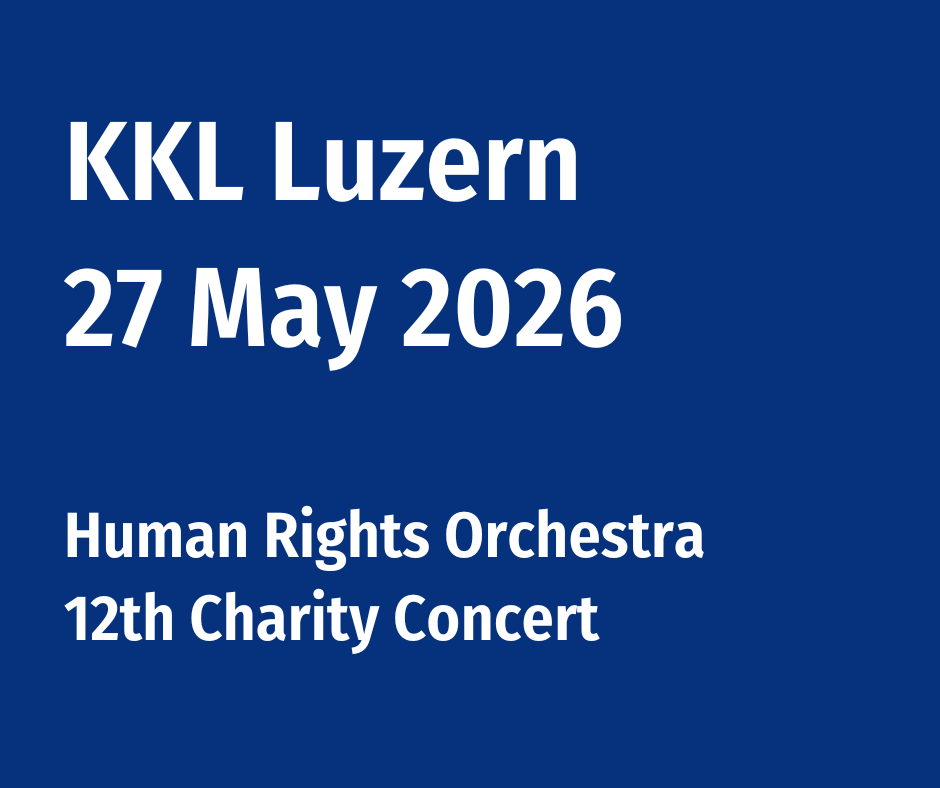
This is our 12th charity concert at the KKL Lucerne.
Under the direction of Alessio Allegrini, the orchestra will perform Rachmaninoff’s Piano Concerto No. 3 with Sergei Babayan, alongside Dvořák’s Symphony No. 9 From the New World.
Join us for this special evening and reserve your tickets now!
A heartfelt thank you to CONCORDIA for sponsoring the event and supporting the Human Rights Orchestra’s mission.
This year’s beneficiaries are Gen.Ukrainian and Fondazione ConTatto.

Composer Andrea Strappa has captured sounds created in water during our Sound Waves in Motion Project, recording and transforming them into a powerful musical dialogue with a symphony orchestra.
In January 2026, La FORM – Orchestra Filarmonica Marchigiana (Italy) under the baton of Alessio Allegrini will bring this original composition to life. For the first time, these underwater sounds will resonate in a concert hall—turning therapy into art, and personal journeys into music.
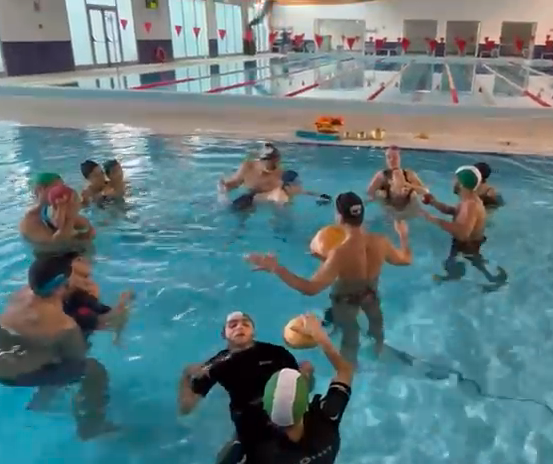
"Sound Waves in Motion" Project - Between Water and Air
In collaboration with HC5 and Sentieri di Crescita, we have developed a project that revolutionises the approach to hydrokinesiotherapy, where the power of music unites with the harmony of water. We are transforming aquatic therapy for young people with disabilities, turning movement into music.


Musicians For Human Rights presents an educational concert at the Teatro Verdi Pordenone on October 22, 2024.

The Human Rights Orchestra is performing at the Teatro Verdi Pordenone on October 24, 2024
Under the direction of Alessio Allegrini, the Human Rights Orchestra will perform in a season-opening concert at the Teatro Verdi Pordenone.
Verdi: Overture from Nabucco
Rachmaninov: Piano Concerto No. 3 in D minor, Op 30
Dvořák: Symphony No. 9 in E minor, op. 95 “From the New World”
Piano solo: Alessandro Taverna

The Human Rights Orchestra is performing at the KKL Lucerne on May 23, 2024
This is our 10th charity concert at the KKL Lucerne. This year, under the direction of Alessio Allegrini, we will perform Verdi’s Messa da Requiem with Mariangela Sicilia (soprano), Christa Mayer (Mezzosoprano) Mauro Peter (Tenor), Christian Zaremba (Bariton) and 75 singers from Warsaw Philharmonic Choir.
Get your ticket now to join us on this special evening.
A special thanks goes to CONCORDIA for sponsoring this event and for supporting the Human Rights Orchestra in its mission.
This year’s recepients include Médecins Sans Frontières (MSF) and Fondazione Casa dello Spirito e delle Arti and their project of Metamorfosi.

CHF 60'000.– of Funding!
CaroAnto and Pianoterra are the organizations that received the support of Musicians For Human Rights! Thank you to all the donors and sponsors of the 2023 Lucerne Concert!
Thanks to Concordia Insurances, MHR is planning his annual concert in Lucern the 10th May 2023.

Partnership with the Fondazione Arturo Toscanini
The Association Musicians for Human Rights are launching together with the Fondazione Arturo Toscanini in Parma a three-year partnership. Between the 25th and 29th of October 2022 Workshops and Panels are supporting the education on music among children and young adults. Concerts of the Human Rights Orchestra and the Filarmonica Arturo Toscanini will give an impact on the strong Mission of the MFHR.

Human Rights Band is performing at Apollonia (Strasbourg) on Thursday 26 October 2023
As musicians we acknowledge that we are holders of human rights that are central to our professional pursuits. We believe these rights carry responsibilities to support the human rights that others need to lead a life of dignity— all human rights.
Programme:
Il confine (Paolo Camerini)
Nostalgia (Ziad Trabelsi)
Refugiado (Paolo Camerini and Ludovica Valori)
We are (Ziad Trabelsi/ Emanuele Bultrini)
Yenilige dogru - Mevlana (Arto Tuncboyaciyan)
L’eco delle anime (Ziad Trabelsi)
Stanna (Ziad Trabelsi)
Melody (Mysolav Skoryk)
Ode to Joy (from Beethoven 9th Symphony)
Gennarino Amato – clarinet
Paolo Camerini – bass Gianluca Casadei – accordion
Daniel Myskiv – violin
Simone Pulvano – percussion
Yasemin Sannino – voice
Ziad Trabelsi – oud and voice

The Human Rights Orchestra performed in KKL Lucerne on 05 May with pianist Rafał Blechacz
Founder and music director Alessio Allegrini lead the orchestra in a program of Rossini, Mozart, and Beethoven. Polish pianist Rafał Blechacz, winner of the first prize in the 15th Warsaw Chopin Competition, was featured in the Mozart Piano Concerto N. 23 in A major, KV 488. The concert was sponsored by Concordia Insurances, Switzerland, and the ticket income was donated to organizations devoted to the pursuit of human rights. This year’s recipients were Avant-Garde Lawyers and La Strada International. Click here for further details.

The Routledge Companion to Music and Human Rights was published on 31 May 2022
The Routledge Companion to Music and Human Rights offers the first comprehensive examination of music and the field of human rights aimed at music researchers and performers, as well as human rights activists, practitioners, and scholars. Edited by an eclectic team with backgrounds in philosophy, ethics, music promotion and performance, ethnomusicology, and law, the volume will feature chapters by 28 scholars and activists and portraits by 23 human rights defenders. The book is founded on the premise that despite the growing interest in music and human rights, the complex and diverse intersections between the two areas have neither been well mapped in the scholarly literature, nor thoroughly analyzed. The book project grew out of a five-day workshop organized by Musicians For Human Rights and the Global Campus of Human Rights.
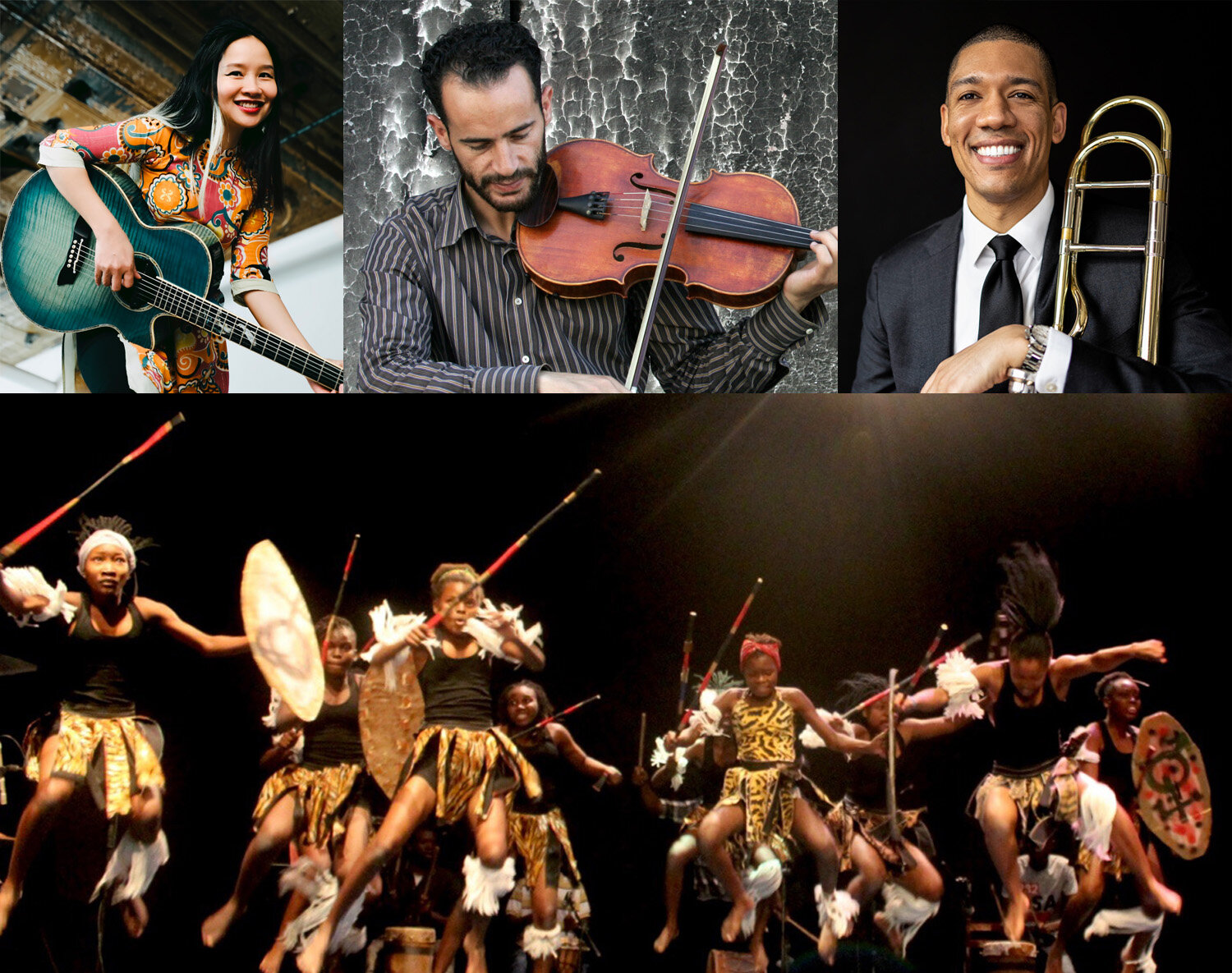
Our music-centered workshops focused on women and youth in Greece relaunch and expansion
Laura Calderon recommenced community music workshops and the Lullaby Project in Greece. For The Neighborhood Room, a program of the Municipality of Thessaloniki implemented in cultural centers around the city, we offered sessions that including singing, body percussion, percussion using recycled materials, dance, and painting. Most of the participants were Greek women ranging in age from 18 to 60. At the Irida Women’s Center, we have begun music-centered workshops for refugees and native residents. In February 2022, Laura launched a series of workshops In Polykastro for Afghani women and teenagers from the nearby refugee camp and helped young mothers create lullabies.
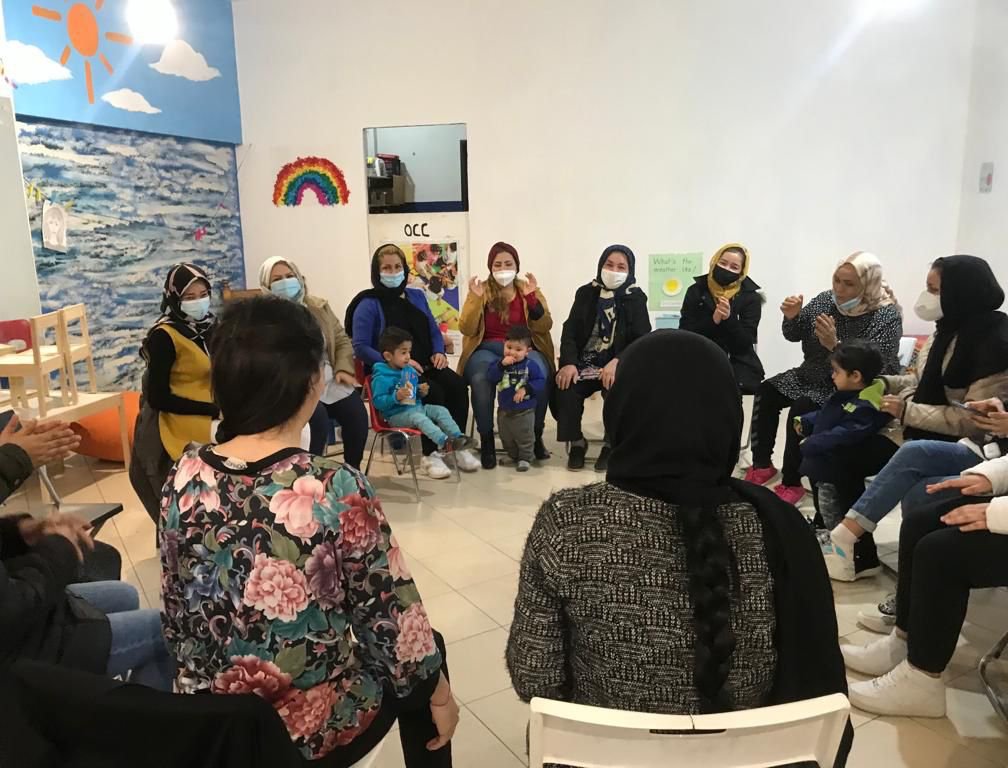
Music with people at the margins
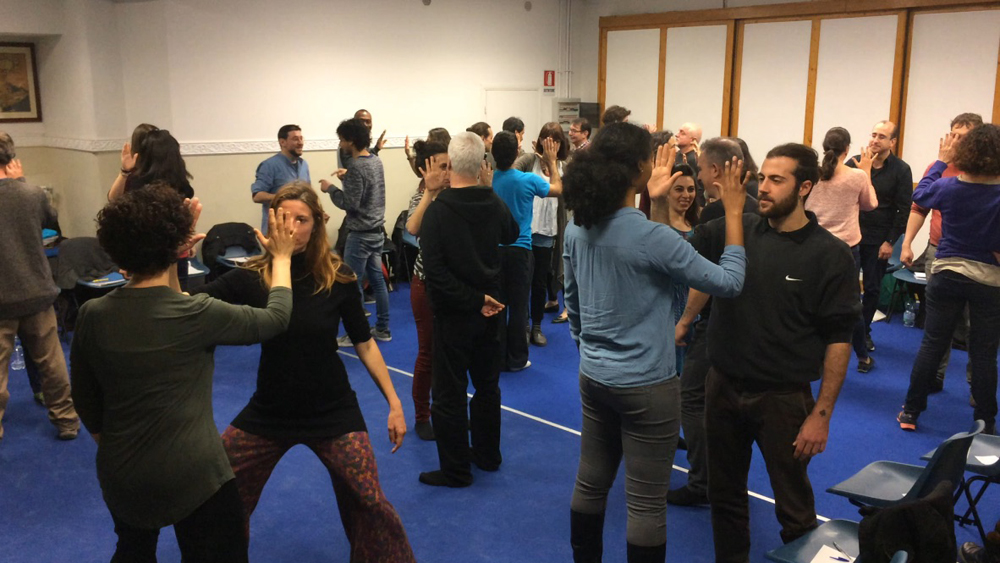
Music can restore hope, strengthen resilience, provide joy, offer community, and improve health and well-being. We create music-centered workshops with people at the margins in refugee centers and camps, detention institutions, and community centers.
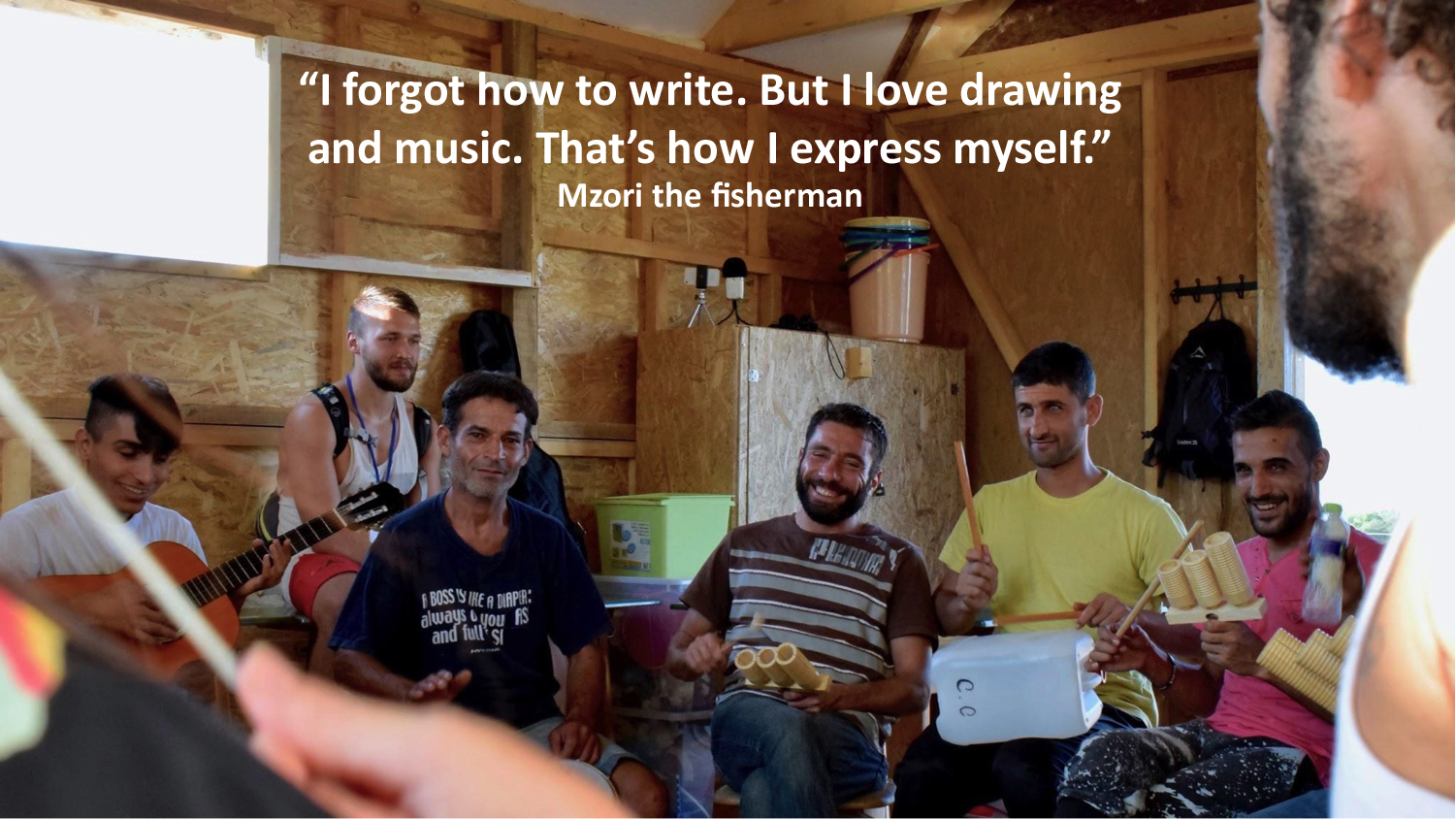
Music-centered workshop at a refugee camp near Thessaloniki, Greece
Concerts
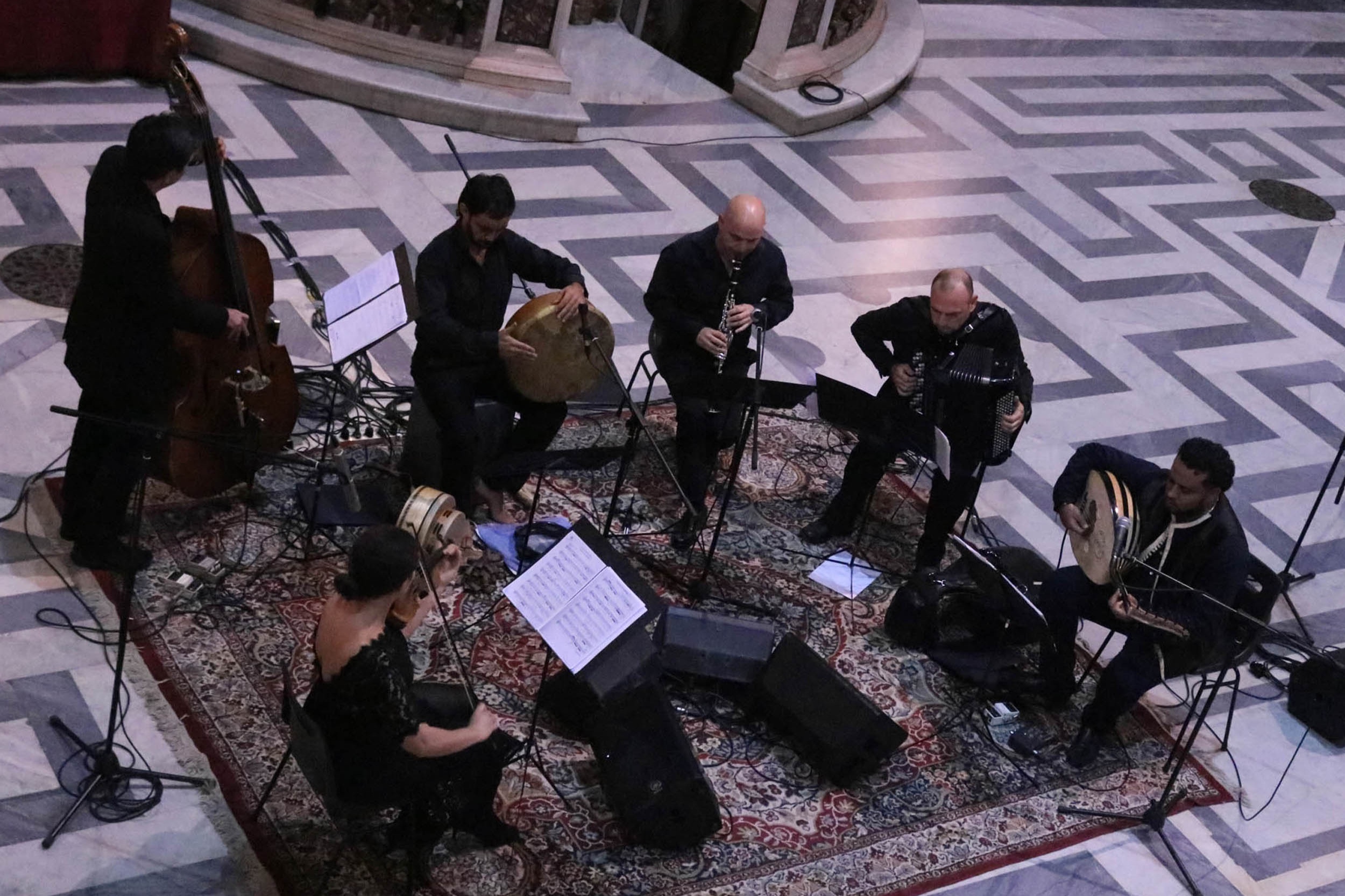
We produce two professional ensembles, the Human Rights Orchestra and the Human Rights Band

Human Rights Orchestra
Human Rights Band
The Human Rights Orchestra is a network of soloists, freelancers, and members of the great orchestras of many cities including Vienna, Berlin, Amsterdam, London, Milan, and Rome who donate their services to raise funds for humanitarian and social projects.
The Human Rights Band celebrates cultural diversity and the universality of hope, longing, grief, and joy that are expressed through music. They perform world music with musicians hailing from Tunisia, Bosnia, Iran, Syria, Turkey, and Italy.
Teaching and learning
Guided by human rights professors, curriculum specialists, and field practitioners, we are both learners and teachers about human rights.
Support of social projects
Funds raised at the concerts of the Human Rights Orchestra support humanitarian and social projects around the world.

TERESA NJOROGE, CO-FOUNDER AND CEO OF CLEAN START, ADDRESSING THE AUDIENCE IN VICTORIA HALL, GENEVA